
Editor’s note: The following is a slightly edited transcript of the introduction of the first Integirty Magazine podcast (embedded below).
Move over, Trad Inc. There’s a new sheriff in town: Integrity Magazine has arrived.
The Dispatch
It is a pleasure to be speaking with you today on this Feast of St. Robert Bellarmine and the anniversary of the apparition of Our Lady of Fatima in 1917.
This announcement comes at a pivotal moment, a turning point if you will, in the battle for the faith and the restoration of the Church.
Now, just what is that moment? Well, over the last twelve months, we’ve seen an entire collapse — which nobody can deny — of the so-called Traditional Catholic media world.
We don’t need to rehash everything that’s happened over that time. There’s been a lot of food fights, a lot of messiness. But we’re still here. Not only have we survived, we’ve thrived.
And what have we been doing? We believe it is our duty to defend the honor of God. As Christ said in the Gospel of Luke: “if these remain silent, the very stones will cry out.”
Picking up the torch
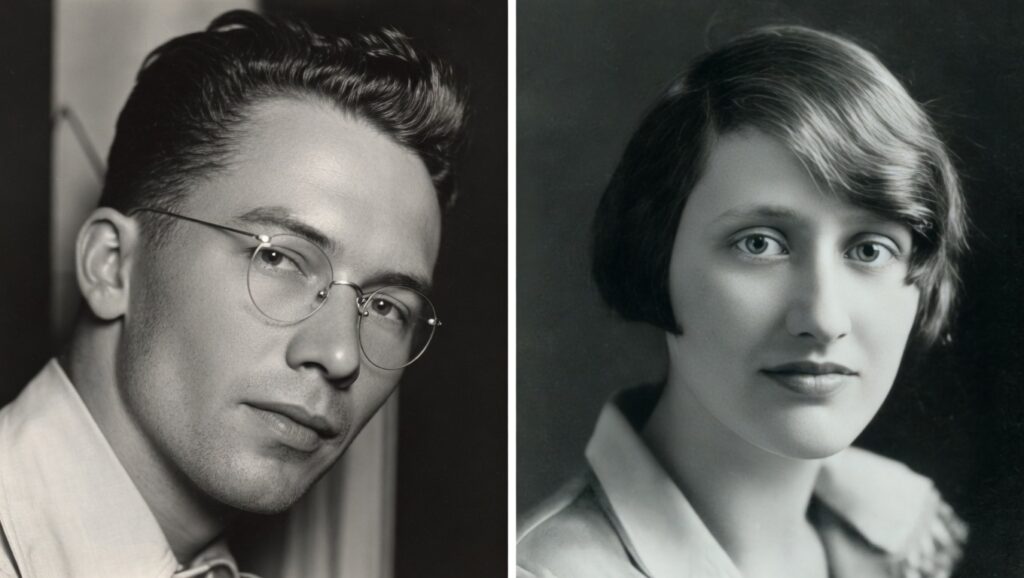
Before talking about Integrity, it is important to make note of the fact that we aren’t really founding anything. We’re actually resurrecting something. Integrity was first started in the 1940s by two American Catholics: Ed Willock and Carol Robinson. They were lay people just like us who saw the problems in the world and Church and tried to do something about it.
Among other things, they wrote about politics, television, technology, and culture, as well as theological issues like the errors of Americanism.
In their flagship editorial, Ed and Carol noted that integral Catholicism means consistency in belief and practice. And so to be an integral Catholic or an “integralist” one must defend the faith entirely, come what may.
At Integrity we are not conservatives. We do not want to conserve the Vatican II revolution. Nor are we interested in defending the liturgy alone. The Council’s proponents tell us it was “1789” — the French Revolution — in the Church. We should not only believe them but oppose them.
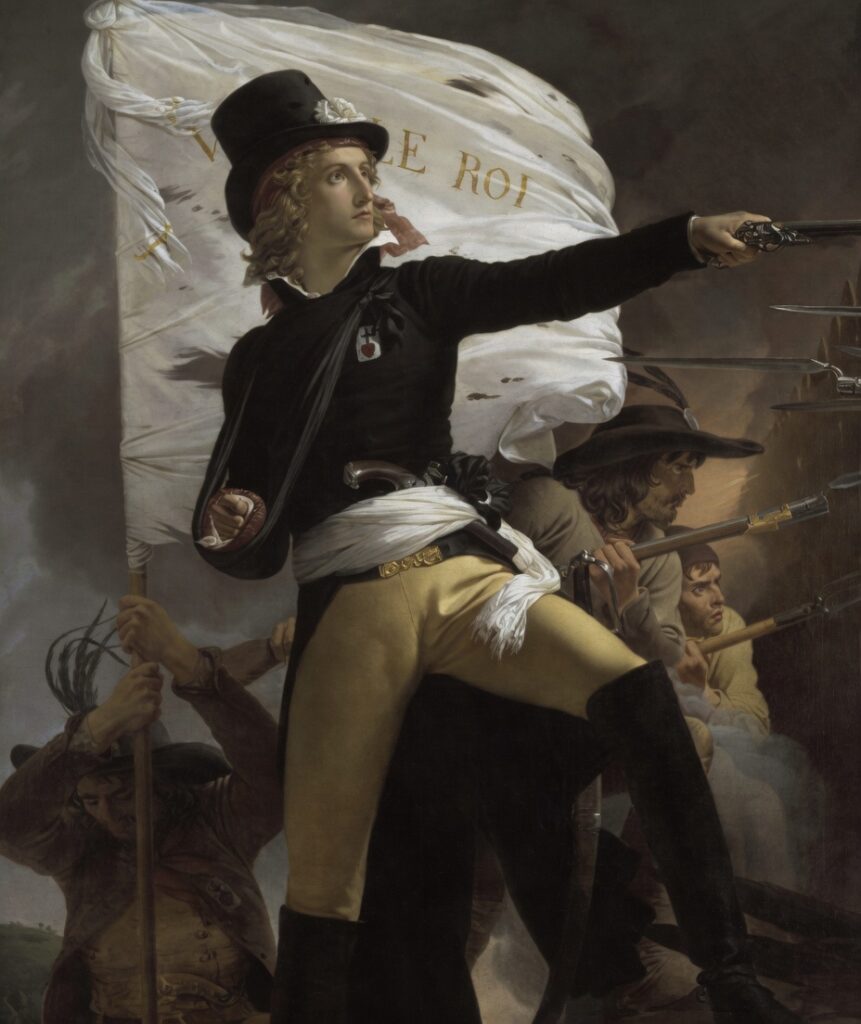
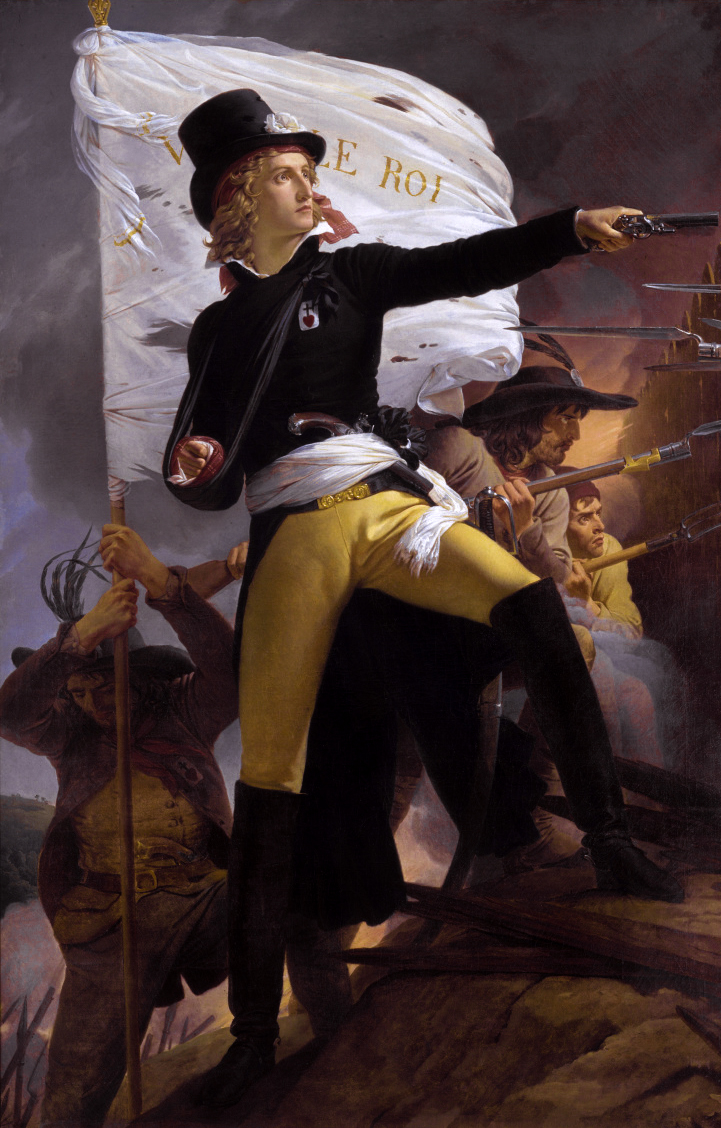
And that is why our symbol is the Sacred Heart of Jesus; the same symbol the French Counter-Revolutionaries in the Vendée wore as they fought for the Kingship of Christ. As such, we march under the same banner and with the same spirit they did, only our battle is with modernist usurpers waging war against the Catholic faith itself.
Filling the void
For those with eyes to see and ears to hear, there has been a noticeable absence of consistency in thought and practice this past year by those who like to say they are “fighting against the revolution in the church.” It is strange to hear these words coming from persons who intentionally put themselves under men who do not outwardly profess the Catholic faith.
To accept the argument that Catholics are merely “attached” to the “Extraordinary Form” of the Mass is to diminish one’s entire existence to a mere subjective preference in liturgical taste when the real battle is for the faith itself.
Many seem to be content to be a side chapel in this Conciliar Cathedral. But this is to follow down the erroneous path first laid down by Liberal Catholics in the 1800s. Pope Gregory XVI rebuked them when they said Catholics should support a “free church in a free state.”
So, too, is it unprincipled to advocate for a “free Latin Mass in a free Conciliar Church.” To agree to be put on display in the ecumenical zoo is to accept the enemy’s terms.
One can’t also help but recall the worldly-minded thinking of abjuring priests who, during the French Revolution, swore an oath to the new constitution when what they should have done was join Catholics in the Vendée and oppose the usurpers by fighting to the death. No compromise, in other words. And this is what we are doing at Integrity Magazine.
The future of the Counter-Revolution
We take our inspiration from the great men of the past, including those such as Archbishop Marcel Lefevre, who was excommunicated from this conciliar institution in 1988. At the time, he and other leaders of the Society of St. Pius X said it was a “mark of honor” to be considered not in communion with ith.
Today we are reclaiming the fight for the faith in such a way that is consistent in both thought and practice. Not only are we political integralists we are ecclesial integralists as well. We invite all Catholics to consider joining this movement and to support its five core principles:
1. Vatican II was a rupture with the Church’s magisterium. It is the primary source of the crisis in the Church and must not only be stridently opposed but eventually discarded.
2. Latin Mass-ism, or the undue exaltation of the traditional liturgy apart from the doctrine it represents, is unacceptable. Referring to the Latin Mass as the “Extraordinary Form” is also to be avoided as it is to use terminology that diminishes its true nature. Our battle is for the faith not the liturgy per se.
3. Seeking practical accords or arrangements of co-existence within the Conciliar Church is, in principle, to put oneself under those who are continuing the Vatican II revolution and is not a commendable course of action. As Archbishop Marcel Lefebvre once said: “to re-enter this Conciliar Church in order, supposedly, to make it Catholic. That is a complete illusion.”
4. There are many persons of goodwill who attend Novus Ordo churches and indult Latin Masses. It is incumbent upon Catholics to act with charity towards those who do not yet understand the nature of the crisis in the Church and who are still attempting to seek answers. Giving a good example with Christ-like speech and behavior is essential, especially when sharing truths about the crisis.
5. For too long the so-called Traditional movement has engaged in gatekeeping and cancel culture tactics against the Society of St. Pius X, the SSPX “Resistance,” and — perhaps most especially — those who hold that the Seat of St. Peter is currently vacant, or who have similar views. The Counter-Revolutionary Roman Catholic movement opposes this. Robust dialogue on disputed topics while promoting a true inclusiveness aimed at forging real brotherhood among those who can identify the sources of the problems in the Church and world is a paramount goal.